Creative time does not have to produce something worth framing. A page of uncertain pencil marks, five photographs taken on a walk or a collage made from old packaging can be worthwhile because of the attention involved.
The phrase “Art RX” is sometimes used online to describe creativity as a form of self-care. It is a loose label, not a medical prescription. Making art may be enjoyable, absorbing or socially connecting, but it should not be presented as a cure for stress, anxiety or other health conditions.
A useful creative habit begins with realistic expectations: a small amount of time, accessible materials and permission to make work that no one else needs to see.
Choose an activity with a low barrier to entry
The right medium is the one you can begin without a long setup. If paints require clearing the dining table and finding several missing brushes, they may not suit a ten-minute weekday pause.
Try matching the activity to the time and space available:
- Keep a pencil and small sketchbook beside the chair where you usually sit.
- Use a phone camera to collect shapes, shadows or colours during a familiar walk.
- Save clean paper, tickets and packaging for a simple collage.
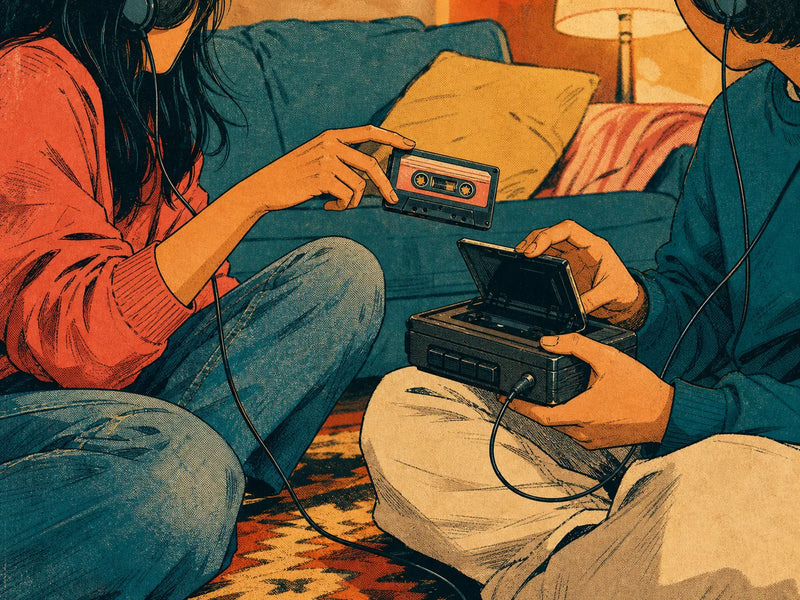
- Make a playlist and draw lines in response to its rhythm.
- Rearrange a few household objects and photograph the changing composition.
None requires natural talent. The purpose is to notice, choose and make.

Protect the habit from productivity
Creative hobbies can quickly acquire targets: complete a sketch every day, post the result, buy better equipment or turn the work into a side business. Those goals may suit some people, but they can also recreate the pressure the activity was meant to interrupt.
Decide in advance that some sessions will leave no finished object. Stop when the available time ends. Do not compare a first attempt with someone else's edited highlight reel.
A regular habit may be five minutes twice a week. Consistency can help materials feel familiar, but missing a session is not a failure. The practice should fit around life rather than becoming another measure of discipline.
Create a small place to begin
A permanent studio is unnecessary. A tray or lidded box can hold the materials for one activity and make starting easier. Keep it somewhere accessible but away from food preparation, young children or pets when the contents require care.
Good light matters. Sit near a window during the day or use a lamp that illuminates the page without casting a strong shadow from your hand. Protect the surface and choose washable materials if the space has several uses.
The same corner can hold work that inspires you, but avoid making it look so arranged that you are reluctant to disturb it. A working place is allowed to contain scraps, tests and unfinished ideas.

Make creativity social when it helps
Some people concentrate best alone. Others find it easier to begin when materials and conversation are shared. A local class, library group or evening with a friend can add gentle structure.
Choose the setting according to what you need. A taught workshop is useful when technique is the main obstacle. An informal drawing session may suit someone who wants company without assessment. Photography walks create a shared activity while leaving each person free to follow a different subject.
Community art and professionally delivered art therapy are not interchangeable. Art therapy is a regulated therapeutic relationship in some jurisdictions and should be described accurately. A casual craft group can still be valuable without borrowing a clinical label.
Notice what the practice actually gives you
After a few sessions, ask what kept you returning. It may be the feel of the materials, a break from screens, the satisfaction of learning a process or time spent with other people. It is also fine to discover that one medium is frustrating and try another.
For a viewing exercise that does not require making anything, try our five-minute visual pause.
Creativity does not need to redefine a generation or promise a transformed life. A modest practice can simply make a little room for curiosity in an ordinary week. That is useful on its own.