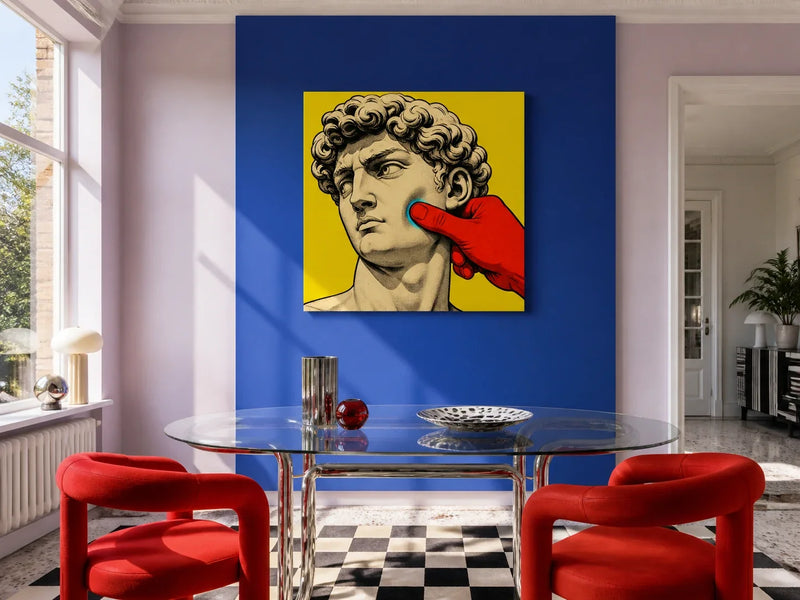
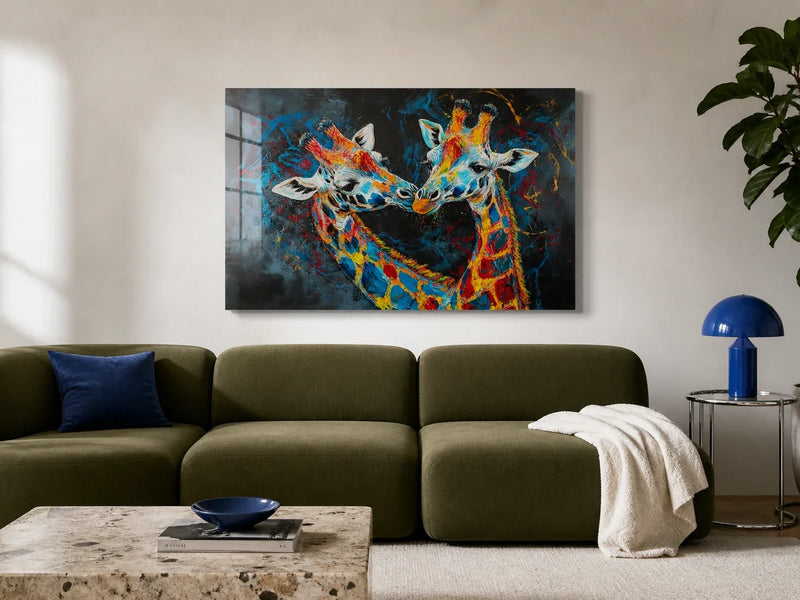
Most wall art is seen in passing. We notice it while looking for keys, carrying washing upstairs or walking from one room to another. Spending five minutes with a single picture changes the pace. Details that disappeared into the background begin to return.
This kind of slow looking can be a useful attention exercise. It is not a route to “mindful nirvana”, a cure for anxiety or a replacement for professional support. The goal is smaller and more realistic: pause, notice what is in front of you and observe where your attention goes.
Choose one image and remove the task
You do not need to visit a gallery or know anything about art history. Choose one picture you can see comfortably from a chair. It might be a print at home, an illustration in a book or an image in a public collection.
For these five minutes, there is nothing to solve. You are not deciding whether the artwork is good, identifying its style or trying to uncover the artist’s intention. You are simply gathering what you can see.
If a timer helps, set one quietly. Put your phone face down after starting it and sit at a distance where the whole image is visible.
Minute one: take in the whole picture
Begin with the outer edge. Is the composition square, tall or wide? Where does your eye land first? Notice the largest areas of light and dark before focusing on individual objects.
You may find that attention jumps straight to a face, a bright colour or a high-contrast shape. There is no need to hold it still. Notice the movement and return to the complete image.
Minute two: follow colour and light
Choose one colour and look for each place it appears. It may repeat in a small detail, change beside another colour or fade into shadow.
Then look for the apparent source of light. Does it come from a window, a sky, a lamp or nowhere identifiable? Consider which parts of the scene have been made easy to see and which remain uncertain.
The restrained palette and reflective surface of the Gilded Waterscape Canvas give you clear areas of light, shadow and texture to follow during this part of the exercise.

 Gilded Waterscape Canvas
Minute three: trace lines and movement
Let your eyes follow one line through the work. It could be the edge of a figure, the horizon of a landscape or a curve made by repeated marks. Where does it lead?
Even a still picture can imply movement. Water may appear to flow, fabric may seem to fold or a figure may lean towards the next action. If the image is abstract, direction can come from the angle and weight of the marks.
Minute four: notice your response
Now turn attention towards your own reaction. Are you curious, comfortable, restless or unmoved? Does one area attract you while another feels difficult to read?
Treat the response as information, not a verdict. A dark palette does not affect everyone in the same way, and a peaceful subject does not guarantee a peaceful feeling. Memory, taste, light and the events of the day all influence what we bring to an image.
The lone green focal point in the Last Green Thing Canvas is a useful prompt for noticing which colour, shape or contrast holds your attention first.

 Last Green Thing Canvas
Minute five: return to the whole
Look again at the entire work. Has the first focal point changed? Can you now see a relationship between details that seemed separate at the beginning?
When the timer ends, stop without demanding a particular result. You might feel settled, or you might simply know the picture better. Both outcomes are valid.
Make slow looking part of an ordinary room
If you want to repeat the exercise, attach it to an existing moment rather than creating an elaborate wellness routine. Look at one picture while drinking the first cup of tea, after closing a laptop or before opening a book.
Choose a seat with a clear view and enough light to see the image without strain. Rotate the artwork or change the viewing distance occasionally. A familiar picture can reveal different details when the season, room light or your own attention changes.
Our article on creativity and everyday wellbeing looks at making as well as viewing. Neither practice needs to be impressive or productive to be worthwhile.
Five minutes with an artwork will not fix a difficult day. It can, however, provide five minutes in which you look carefully instead of rushing past. That modest promise is enough.